How did the city layout and courtly culture of Vijayanagara reflect the dominance of Imperial control?

 Q. How did the city layout and courtly culture of Vijayanagara reflect the dominance of Imperial control?

The City Layout and Courtly Culture of Vijayanagara: Reflection of Imperial Control

The city of Vijayanagara, established as the capital of the Vijayanagara Empire (1336–1646), is an outstanding example of how urban planning, architectural features, and courtly culture can be used to demonstrate the dominance and centralization of imperial control. The empire itself, located in the Deccan plateau of southern India, was one of the most powerful and prosperous Indian states during its time, and its capital, Hampi, was one of the largest cities in the world in the 16th century. The layout of the city, its monumental architecture, and the rituals and practices of courtly culture all serve as key indicators of the empire’s imperial control over its vast territory, as well as its political, social, and cultural hegemony.

1. City Layout: A Reflection of Imperial Power

The city of Vijayanagara (particularly the area around Hampi, the primary site) was a highly planned urban center that reflected both the centralized control of the empire and the cosmic vision of the rulers. The layout was designed to embody imperial authority and the king’s divine right to rule.

·         Capital as a Symbol of the Cosmos: The design of the city was symbolic, incorporating both practical and religious dimensions. The city was divided into distinct areas, each with specific functions, which were meant to reflect the order and authority of the empire. It was based on the concept of a cosmic city where each element, such as streets, temples, and markets, had symbolic meanings. The central axis of the city aligned with religious significance, reinforcing the idea of the city as a microcosm of the universe. This alignment of the city was intended to portray the king as the central figure who governed not only the physical realm but also the metaphysical domain.

·         The Royal Enclosure and Imperial Architecture: At the heart of the city lay the Royal Enclosure, a walled area that housed the royal palace and other important administrative buildings. The palatial complex was designed to be both an administrative center and a symbolic representation of the king's power. Its grand gateways, pillared halls, and enormous audience chambers demonstrated the magnificence of the king's rule. These structures, such as the Mahanavami Dibba (a large platform used for state ceremonies), were symbolic of the emperor’s divine authority and power. These monumental buildings reflected the absolute control of the imperial family over the land and its people.

·         Walled and Fortified City: The city’s boundaries were clearly defined, with massive fortifications and walls surrounding the central urban areas. The presence of large gates and entry points signified both physical and symbolic barriers to outsiders, asserting the empire's territorial integrity and its military might. The city's layout, with its defenses and controlled access points, reflected the dominance of the Vijayanagara Empire over its surrounding territories. The fortifications were not just defensive but also acted as a reminder of the empire’s control over vast regions.

·         The Sacred and the Secular Divisions: Vijayanagara was divided into various sectors, each designated for different functions. The sacred and secular were spatially separated, reflecting the hierarchical nature of the empire’s governance. The religious district housed temples, including the grand Virupaksha Temple, which was a major symbol of the city’s religious and cultural authority. The royal quarters, on the other hand, were centers of political and administrative power. The careful separation of these zones reinforced the centralization of power and the distinct roles of religion and governance within the imperial system.

·         Water Systems and Infrastructure: One of the most remarkable aspects of the Vijayanagara city's urban planning was its water management system. The tanks, reservoirs, and canals that supplied water to the city were not only essential for sustaining a large urban population but also symbolized the empire's control over resources. The tank system, for instance, was vital in managing water for agriculture, drinking, and religious purposes. This system of water control was a mark of imperial power, as it displayed the ability to manage and distribute resources across the entire empire. The grand Step Wells and water reservoirs around the city signified the empire’s technological advancements and organizational capabilities, reflecting a stable, centralized state that could control the flow of natural resources.

2. Courtly Culture and Imperial Authority

Courtly culture in the Vijayanagara Empire played an equally important role in showcasing the authority and dominance of the imperial rulers. The king, known as the Raya, was seen not only as a political leader but also as a divine figure whose rule was legitimized through rituals, patronage of the arts, and the administration of justice. The courtly culture of Vijayanagara was an extension of the city’s architectural grandeur, designed to reinforce the centralization of power and the legitimacy of the monarchy.


·         The King as a Divine Ruler: In the Vijayanagara Empire, the king was not simply a secular ruler but also a religious figure who held divine status. The Raya performed regular rituals and religious ceremonies to maintain the cosmic order and legitimacy of his rule. The rituals, often involving elaborate ceremonies and sacrifices, were performed both within the palace complex and in the public spaces of the city. This elevated the king’s status above that of an ordinary ruler, as he was seen as the intermediary between the divine and earthly realms. These court rituals often took place in grand open spaces such as the Mahanavami Dibba, where the king would address his people and make public appearances.

·         Patronage of the Arts and Culture: The imperial court of Vijayanagara was a major patron of the arts, and this played a significant role in reinforcing the power of the emperor. Kings and nobles sponsored temples, monumental sculptures, and elaborate frescoes. Temples were not just religious sites but were also symbols of imperial patronage. The Virupaksha Temple, for instance, was not only a place of worship but also a site where royal power and wealth were on display. The arts were also used as a means of communicating the strength and stability of the empire. The grand architectural and artistic achievements of the city served to reinforce the idea that the Vijayanagara Empire was powerful, divinely sanctioned, and firmly in control.

·         Ceremonial Processions and Public Displays of Power: The imperial court regularly held ceremonial processions in which the king would appear publicly, often accompanied by royal retainers and soldiers, to assert his dominance and connect with the people. These processions were not only political demonstrations but also acts of religious significance. For example, during important festivals like Makar Sankranti or Dussehra, the king and the royal family would participate in large-scale processions, highlighting their connection with both the divine and the political sphere. Such events were critical for maintaining the authority of the monarch and emphasizing the grandeur and legitimacy of the Vijayanagara state.

·         Military Power and Courtly Displays: The courtly culture of Vijayanagara was also tied to military power. The kings of Vijayanagara, such as Krishnadevaraya, were known for their military prowess. The presence of military leaders and generals at court was a reminder of the empire's strength and its ability to defend and expand its territories. Military victories were often celebrated in public festivals, and prisoners of war were sometimes paraded through the streets, further asserting the king’s dominance and military might. The military elite played an important role in courtly rituals and processions, reinforcing the close relationship between the king, his army, and his imperial authority.

3. The Role of Religion and Temples in the Courtly Culture

Religion was a central pillar of both the city’s layout and the courtly culture. Temples were not just places of worship but also symbols of the ruler’s authority and centrality.
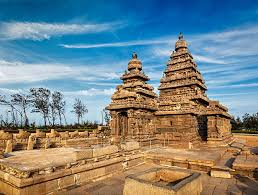

·         Temple Architecture and Imperial Patronage: The kings of Vijayanagara were major patrons of Hindu temples. The Virupaksha Temple is a prime example of this patronage, with its grand architecture, including towering gopurams (gateway towers) and intricate sculptures that celebrated both religious and royal themes. The construction of such temples by the imperial family was seen as a means to legitimize their rule, as it reinforced their role as defenders of dharma (moral law) and protectors of Hinduism.

·         Religious Festivals and the Court’s Role: Festivals were central to the courtly culture of Vijayanagara. The king’s role in religious celebrations was integral to his authority. During festivals like Dussehra, the king would perform rituals at the royal temple, demonstrating both his religious piety and his power as a ruler. These festivals provided an opportunity for the king to showcase his wealth, display military power, and demonstrate his connection to the divine order. The scale of these festivals, with their processions, sacrifices, and feasts, served to reinforce the monarch’s position as the central figure in the empire’s spiritual and temporal life.

·         The Integration of Religion with Political Ideology: The Vijayanagara kings were devout Hindus, and their religious practices often intertwined with their political ideology. The king was regarded as the earthly representative of the gods, and his role in maintaining order and prosperity was seen as divinely ordained. The state and religion were not separate in the Vijayanagara Empire but were integrated into a single political and spiritual framework. This made the city and its royal court the focal point of both political and religious life in the empire.

Conclusion

The city layout and courtly culture of Vijayanagara reflect the dominance of imperial control in multifaceted ways. The city’s highly organized urban planning, with its sacred and secular divisions, monumental architecture, water management systems, and military fortifications, demonstrated the empire’s power and centralization. At the same time, the courtly culture, including the divine status of the king, the patronage of the arts, and the integration of religion into governance, reinforced the monarch’s control over both the physical and spiritual domains of the empire.

Through its urban design and courtly rituals, the Vijayanagara Empire projected an image of stability, power, and divine sanction, effectively consolidating imperial control over its vast territories. The city of Vijayanagara, with its grandeur and intricate planning, served as a living testament to the strength and sovereignty of one of India’s most prosperous and influential empires.

Cities of Delhi Sultanate were primarily garrison towns. Critically examine.

Q. Cities of Delhi Sultanate were primarily garrison towns. Critically examine.

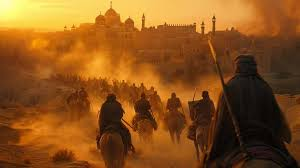
The cities of the Delhi Sultanate, which ruled much of the Indian subcontinent between the 12th and 16th centuries, have been the subject of much debate among historians, archaeologists, and urban scholars. One prominent aspect of these cities, particularly during the early phase of the Sultanate (1206–1398 CE), is their characterization as primarily garrison towns. This conception largely stems from the military origins of the Delhi Sultanate, the necessity of maintaining a strong defense against both internal and external threats, and the administrative and logistical needs of a regime that was, at least in its early centuries, foreign in its composition and governance. However, while the military aspects of these cities were undoubtedly important, it is equally essential to critically examine whether this characterization fully captures the complexity and dynamism of urban life in the Delhi Sultanate. By analyzing the historiography, physical evidence, and social, political, and economic dynamics of these urban centers, we can develop a more nuanced understanding of the extent to which these cities functioned as garrison towns, and the broader implications of this characterization for the development of urbanism in medieval India.

1. Foundations of the Delhi Sultanate and the Role of Military in Urban Development

The establishment of the Delhi Sultanate in 1206 CE, with the ascendancy of Qutb-ud-Din Aibak, marked the beginning of a new era in North India, one that was heavily influenced by Turkic and Afghan military traditions. The initial formation of the Sultanate was, to a large extent, a consequence of military conquest. The first sultans, especially Aibak and his successors like Iltutmish and Razia, were faced with the task of consolidating power in a region that had been historically dominated by Rajput kingdoms, Ghurids, and other regional powers. This military aspect of the Sultanate significantly influenced the cities they built and governed.


Delhi, under the Delhi Sultanate, became not only the political capital but also a military stronghold. The physical layout and function of its urban centers were often designed with defense, control, and surveillance in mind. Fortifications, military garrisons, and strategic locations were prioritized when planning urban settlements. The Qutb Minar, constructed during the reign of Iltutmish, stands as one of the most famous examples of architectural prowess in the early Sultanate period. Yet, beyond its architectural and cultural significance, it also served as a symbol of the military strength and authority of the Sultanate in a time of consolidation.

Similarly, the Old Delhi (or Lal Kot), the first city of Delhi constructed by Anangpal Tomar and later fortified by the Sultanate, was primarily a fortress and military stronghold. It was a center of military control, with important administrative structures set in place to govern a vast empire. The urban structure of these cities largely served the needs of a military regime that sought to establish control over an alien population, which led to the city becoming a base of operations for defense and a point of consolidation of power.

a. The Establishment of Military Control and Fortifications

As the Delhi Sultanate expanded its influence, several cities were established or fortified to serve as garrison towns, such as Lahore, Multan, Jaunpur, and Ajaigarh. Each of these cities, particularly under the military regimes of the Khilji and Tughlaq dynasties, had strong military presences. Lahore, for instance, became the site of a significant garrison, strategically placed for both defense and the surveillance of northern and northwestern territories. The presence of fortifications and military installations in these cities was integral not only to defending the Sultanate from external invasions but also to keeping a watchful eye on potential internal rebellions.


In the case of Delhi, the establishment of the Qila Rai Pithora, originally constructed by the Tomars, was repurposed and strengthened by the Sultanate rulers. The Tughlaqabad Fort, built by Ghiyas-ud-Din Tughlaq, is another example of the military importance of the city. These fortifications were not merely symbolic; they were designed to serve as centers of defense, places for the deployment of military forces, and secure locations for the Sultan’s palace and administrative functions. The military installations also facilitated the constant mobilization and movement of troops in response to the shifting political and military landscape of the Indian subcontinent.

b. The Military Presence in Urban Society

The military nature of the Delhi Sultanate cities extended beyond the construction of fortifications and garrisons. These cities were populated by soldiers, generals, and military officers who played an important role in shaping the social fabric of urban life. Many of the military elite and their followers settled in the urban areas, and these settlements were often organized around the needs of the military. Markets in garrison towns, for example, would cater to soldiers and their specific needs, including weapons, armor, and food supplies. Military service was often a means of social mobility for many, including those who were originally from different regions or ethnic backgrounds.


Additionally, the Sultanate’s reliance on military presence often meant that non-military residents, such as traders, artisans, and scholars, had to operate within an environment deeply influenced by martial governance. The Sultanate’s emphasis on military control, particularly under rulers like Ala-ud-Din Khilji and Muhammad bin Tughlaq, led to the further militarization of cities, where the administrative structure was closely linked to military authority. In Khilji's Delhi, for example, the military served as a means of enforcing the ruler's decrees, including economic policies like the market reforms and price control laws, which were tightly monitored by military officials.

2. Beyond the Garrison: The Social, Economic, and Cultural Functions of the Delhi Sultanate Cities

While the military aspect of Delhi Sultanate cities is an important part of their identity, it is essential to explore the broader aspects of urban life that were not solely defined by martial presence. These urban centres were also cultural and economic hubs, with flourishing marketplaces, educational institutions, and centers for art and architecture. Over time, the Sultanate cities became more than just military strongholds; they evolved into complex urban spaces that combined military functions with thriving economies and vibrant cultural practices.

a. Commercial and Economic Growth

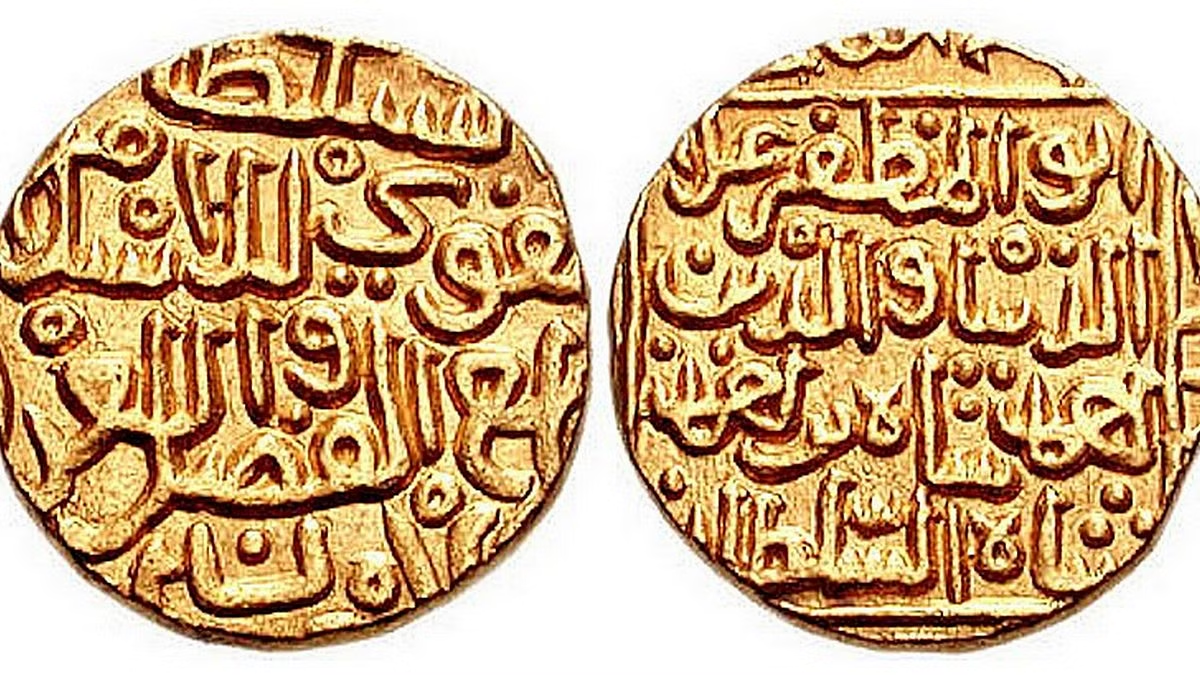
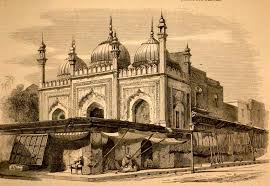
The cities of the Delhi Sultanate saw considerable economic growth, with vibrant trade networks both within the subcontinent and with external regions such as Central Asia, the Middle East, and Africa. Delhi, in particular, became a central node in these networks, functioning as a hub for the movement of goods, people, and ideas. The Sarai (rest houses) and bazaars that sprung up in and around these cities were not only essential to sustaining military life but also supported a growing merchant class. These markets sold everything from spices and textiles to metals and luxury goods. The Jama Masjid in Delhi, for instance, stands not only as a religious monument but also as a central gathering point for merchants and traders from diverse parts of the empire.


The economic vitality of these cities was supported by agriculture, as the Sultanate controlled vast agricultural lands that were taxed to fund military and administrative expenditures. The tithe system (known as khud-khushi) and the land revenue systems put in place by the early sultans played a role in stabilizing the economy of these urban centres. Despite the military dominance of the Sultanate, these policies allowed for a flourishing urban economy that supported diverse occupations, including the craft industry, intellectual pursuits, and trade.

b. Cultural and Intellectual Flourishing

Another important dimension of the cities of the Delhi Sultanate was their role as cultural and intellectual centers. While the cities were primarily associated with military governance and defense, they were also home to scholars, poets, artists, and architects who contributed to the cultural landscape of medieval India. The Sultanate rulers were patrons of Persian literature, Islamic architecture, and art, and many of these artistic and intellectual practices became integral to the identity of these urban spaces.

The Arabic and Persian language and literature flourished in these cities, particularly under rulers such as Ala-ud-Din Khilji and Muhammad bin Tughlaq, who sought to create a cosmopolitan environment in Delhi. The intellectual life of Delhi was also shaped by the presence of scholars and religious leaders, including Sufi mystics, whose teachings contributed to the religious and philosophical diversity of the Sultanate cities. The development of Persian literature and history under the Delhi Sultanate, as well as the construction of monuments like the Qutb Minar, was a reflection of the cultural investment made by these rulers, seeking to promote their power and legitimize their rule.

c. Urban Architecture and Monumental Construction

The architectural character of the cities of the Delhi Sultanate also provides evidence that these were not just garrison towns. The monumental construction of mosques, madrasas (educational institutions), and tombs indicated that the Sultanate cities were also intended to demonstrate the grandeur of the Sultan's reign and his piety. The Qutb Minar, a UNESCO World Heritage site, stands as one of the most recognizable symbols of Delhi’s architectural legacy. This minaret, part of the Qutb complex, was constructed by Qutb-ud-Din Aibak and later expanded by his successors. The intricate carvings and architectural style of the minaret showcase the fusion of Central Asian and Indian architectural traditions, making it a symbol of both the military and cultural accomplishments of the Sultanate.

Additionally, the tombs of the sultans, such as Iltutmish's tomb and the Tughlaqabad Fort, show how these urban spaces were developed to combine military, administrative, and religious purposes, creating a hybrid urban environment where martial authority and cultural achievements were deeply intertwined.

3. Critical Evaluation: Garrison Towns or Multi-dimensional Urban Centres?

While the characterization of the cities of the Delhi Sultanate as garrison towns is not without basis, it is clear that this view does not fully encompass the complexities of urban life in these cities. The cities were indeed created and governed with a strong military ethos, particularly in the early phases of the Sultanate, but as time passed, the cities began to evolve into multi-dimensional urban centers. The social, economic, cultural, and architectural developments that occurred in these cities contributed to a more nuanced understanding of their function in medieval India.

The idea of the Sultanate cities solely as military strongholds underestimates the role of these urban centers as cultural, intellectual, and commercial hubs. They were not only sites of garrisoning and military organization but also places of commerce, governance, learning, and architectural innovation. Thus, while the military function of these cities was significant, it was balanced by other crucial elements, including economic activities, intellectual life, and cultural patronage.

In conclusion, the cities of the Delhi Sultanate, while undoubtedly shaped by military imperatives, were much more than mere garrison towns. They were vibrant, multi-faceted urban centers that played a key role in shaping the political, social, economic, and cultural landscape of medieval India. The military presence in these cities was just one aspect of their dynamic nature, and a more comprehensive understanding of these cities requires considering their diverse functions and contributions to Indian history.


Critically examine the characteristics of early historic urban centres in the Deccan.

 Q. Critically examine the characteristics of early historic urban centres in the Deccan.

The early historic urban centres in the Deccan, an area in the southern part of India, were unique in their characteristics, shaped by a confluence of geographical, political, economic, and cultural influences. The region's urbanization trajectory, which began around the 3rd century BCE and continued into the early centuries of the Common Era, reflects both indigenous traditions and external influences. These cities, scattered across the Deccan plateau and along its coastal fringes, were significant not only in terms of their architectural and urban planning characteristics but also for their role in the cultural and political evolution of South India. This examination critically explores the features of these early urban centres, focusing on their political structure, economic activities, social organization, architecture, and their eventual decline or transformation into medieval cities.

The Deccan region, geographically bounded by the Western and Eastern Ghats, has a diverse landscape that includes fertile river valleys, arid plateaus, and coastal areas. The early urban centres in the Deccan were often located near rivers or water bodies such as the Godavari, Krishna, and Tungabhadra, which provided resources for irrigation, transport, and trade. The fertile river valleys enabled agricultural surplus, which was a key factor in the growth of these urban centres. One of the first and most prominent examples of early urbanization in the Deccan was the city of Pataliputra (modern-day Patna), which was established as a hub of trade and politics during the Mauryan Empire. However, cities in the Deccan like Nanaghat, Aihole, Badami, and the port city of Sopara were distinct in their layout, social structures, and architectural style compared to their northern counterparts, illustrating the unique characteristics of the region.

The urban centres in the Deccan developed under the influence of both indigenous traditions and external interactions with the north (through the Maurya and Satavahana dynasties) and with the Mediterranean world (through maritime trade routes). The rise of urbanisation in the Deccan is often linked to the establishment of the Mauryan Empire, which extended its influence southwards during the 3rd century BCE. The Mauryas, though not directly responsible for the foundation of Deccan cities, played a significant role in shaping early urban development through their administration, trade policies, and road networks. After the decline of the Mauryas, the Deccan saw the rise of local dynasties, particularly the Satavahanas, who controlled vast stretches of territory across the Deccan Plateau and developed key urban centres like Amaravati, Nagarjunakonda, and Paithan. These cities were characterized by a distinct architectural and cultural blend that continued into later periods.


One of the most significant characteristics of early historic urban centres in the Deccan was the concentration of political and administrative power. Cities like Badami and Aihole served as capital cities for the early Deccan kingdoms such as the Chalukyas and the Rashtrakutas. These urban centres were not merely settlements but political hubs where local kings, chiefs, and administrators resided. The political structures in these cities were often centralized, with a clear hierarchy of power, from the king down to local officials. This centralization helped in the effective administration of the region, particularly in managing agricultural production, trade, and military control. Administrative structures were often supported by the construction of fortifications and the establishment of royal courts, which in turn promoted the development of urban centres as the locus of political control.

Economically, the urban centres in the Deccan played a pivotal role in facilitating trade, both local and international. Many of these cities were situated along major trade routes, which facilitated the exchange of goods such as spices, textiles, and precious stones. For instance, the coastal city of Sopara became an important port during the Satavahana period, linking the Deccan to the trade networks of the Roman Empire, Southeast Asia, and East Africa. Additionally, the inland cities like Aihole and Amaravati benefited from their strategic locations along trade routes linking the Deccan Plateau to the northern regions of India and beyond. The economy of these urban centres was largely agrarian, with evidence of irrigation systems that enabled intensive farming in the fertile valleys. The surplus of agricultural products facilitated the growth of these cities, as it allowed for the support of non-agricultural specialists such as artisans, traders, and priests. The emergence of markets and workshops for pottery, metalwork, and textiles further contributed to the economic dynamism of these cities.

The social structure of early urban centres in the Deccan was complex and hierarchical. The top of this social pyramid was occupied by the ruling elite, which included the kings, their families, and their court officials. Below them were the merchant and artisan classes, who played a vital role in the economic development of these cities. The merchant class, in particular, benefited from the extensive trade networks and acted as intermediaries between the urban centres and the hinterlands. Artisans, including weavers, potters, and metalworkers, were often organized into guilds and played an important role in the cultural life of these cities, creating objects for both local consumption and export. At the bottom of the social hierarchy were the labouring classes, which included farmers, soldiers, and various low-skilled workers. Religious institutions, particularly temples, played a significant role in both the social and economic fabric of these cities. Temples not only functioned as places of worship but also as economic centres, where land was donated, and agricultural surpluses were stored and distributed.

Architecturally, early urban centres in the Deccan exhibited a distinctive style influenced by both indigenous traditions and external influences. The most notable architectural features were religious structures such as rock-cut temples, cave complexes, and stupas. For example, the rock-cut temples at Ellora and Ajanta (which were developed later but had roots in early Deccan architecture) and the cave temples at Badami and Ajanta are prime examples of the architectural experimentation and innovation that occurred in these urban centres. These temples were often carved out of the rock, and their construction required sophisticated engineering and architectural knowledge. The use of local materials, such as sandstone and granite, reflects the adaptation of these centres to the region's natural resources. In addition to religious architecture, the urban planning of cities like Aihole and Badami included the construction of fortifications, palaces, and residential buildings that reflected the growing political importance of these urban centres. The layout of these cities was often planned, with streets and buildings organized in a grid pattern, although the topography of the region meant that the urban centres also adapted to the natural landscape.

The religious life of these early urban centres in the Deccan was characterized by a blend of indigenous beliefs and practices along with the introduction of new religions from outside the region. The Satavahanas and later dynasties like the Chalukyas and Rashtrakutas supported both Brahmanical Hinduism and Buddhism, which were prevalent in the region during the early centuries CE. The spread of Buddhism is particularly evident in the construction of stupas and monasteries, such as the famous Amaravati Stupa, which became important centres for both religious and social activities. The influence of Buddhism and Jainism, particularly in the Deccan, is also seen in the numerous inscriptions and art forms that reflect these religious traditions. Additionally, the presence of Brahmanical temples and the growth of cults around deities such as Shiva and Vishnu were central to the religious landscape of these cities. These religious institutions also acted as important patrons of art and culture, commissioning sculptures, paintings, and inscriptions that provide valuable insights into the society of the time.

The decline of early historic urban centres in the Deccan can be attributed to a combination of internal and external factors. Internally, the decline of dynasties like the Satavahanas and the Chalukyas led to political fragmentation and weakening of centralized authority. The rise of smaller kingdoms and regional powers, such as the Rashtrakutas, further fragmented the urban centres. External invasions, such as those by the Hunas in the 5th and 6th centuries CE, also contributed to the instability of the urban centres. Over time, many of the early historic urban centres were abandoned or transformed into smaller settlements. The cities that survived gradually evolved into medieval urban centres, where the nature of urbanization changed, reflecting new political, economic, and social structures. In some cases, new urban centres emerged on the coast, such as the city of Vijayanagara in the 14th century, which became a new centre of political power and cultural activity in the Deccan.

In conclusion, the early historic urban centres of the Deccan were diverse in their characteristics, reflecting a blend of indigenous traditions and external influences. These cities played a critical role in shaping the political, economic, and cultural landscape of South India. The political centralization, economic dynamism, and complex social structure of these urban centres were supported by religious institutions and the development of distinctive architectural styles. However, the decline of these cities was inevitable due to political fragmentation, economic shifts, and external invasions. Despite their decline, the legacy of these early urban centres continues to influence the region's culture, religion, and architecture today. The study of these early urban centres provides crucial insights into the history of the Deccan and contributes to a broader understanding of the development of urbanization in ancient India.

What are the markers of urban centres? Examine with reference to the historiography of urbanism.

Q.      What are the markers of urban centres? Examine with reference to the historiography of urbanism.

Urbanism has long been a topic of considerable interest in the field of history and archaeology, as urban centres are often seen as symbols of the development of complex societies and their cultural, social, economic, and political structures. Understanding the markers of urban centres and examining their historical context is crucial for a deeper comprehension of the development of human civilizations and their trajectories. Urban centres, both ancient and modern, are more than just geographical locations; they represent dynamic hubs of interaction, change, and continuity. The historiography of urbanism, which looks at the evolution of urban societies, offers important insights into the markers or defining characteristics of urban centres, their formation, and their role in historical development. This analysis explores the markers of urban centres, with a special emphasis on the historiography of urbanism.

1. Markers of Urban Centres: Characteristics and Defining Features

To begin, it is important to define what constitutes an urban centre, as these markers or characteristics have evolved over time and vary depending on the cultural, historical, and geographical context. Historians and archaeologists have identified several markers that are commonly associated with urbanism, ranging from physical infrastructure to social, political, and economic functions.

a. Physical Infrastructure

One of the most tangible markers of urban centres is their physical infrastructure. Urban centres typically feature a concentration of buildings and structures that serve various functions. These include residential areas, commercial zones, places of worship, administrative buildings, and infrastructure for transport and trade. The layout of an urban centre is often characterized by roads, streets, and a defined urban plan that facilitates the movement of people, goods, and services. In ancient cities like those of Mesopotamia, Egypt, and the Indus Valley, extensive urban planning and the use of standardized construction techniques became central to their identity.

The physical infrastructure of urban centres includes monumental structures that represent the political and religious ideologies of the society. For instance, the presence of temples, palaces, and government buildings marks a centralization of political power and religious authority. Ancient cities like Babylon or Cairo feature large ceremonial gates, monumental structures such as pyramids or ziggurats, and walls that symbolize the grandeur and power of the civilization. These physical markers also often reflect the technological advancements of the time, such as the development of specialized construction techniques, the use of brick, stone, or other durable materials, and the mastery of engineering for urban planning.

b. Economic Functions and Commercial Activity

Urban centres have historically been economic hubs where trade, commerce, and the production of goods are concentrated. The presence of marketplaces, trading routes, and the development of industries—such as textiles, metalworking, and pottery—are key markers of urbanization. Economic activities in urban centres also include the growth of a merchant class, the establishment of banking systems, and the specialization of labor. These aspects signal a shift from agrarian economies to more diversified economies, where surplus production, exchange of goods, and services play central roles in urban life.

Trade and commerce are also fundamental in marking urban centres. Major urban centres in the ancient world, such as Rome, Athens, or Damascus, were located at strategic points along trade routes, which facilitated the exchange of goods, culture, and ideas. Urban centres acted as nodal points in regional and long-distance trade networks, connecting different parts of the world and creating diverse cultural landscapes.

For instance, in the case of Sumer in Mesopotamia, the city of Ur functioned as a major centre of trade, with its ziggurat being both a religious and administrative hub, with commercial activity also flourishing. Archaeological evidence from urban centres such as those in ancient Maya cities and Roman cities reveal a complex interaction between economic activity and urban development, with trading networks and craft specialization being integral to their functioning.

c. Social Stratification and Hierarchical Organization

Another important marker of urban centres is social stratification. Urban centres, by their very nature, often feature a diversity of people, with varying roles, occupations, and social statuses. This leads to a division of labor that is reflected in the social hierarchy. The existence of distinct residential areas for different social groups, the concentration of wealth in certain sectors, and the marked division between the elite, middle class, and working class are key aspects of urban life.


In ancient cities, social stratification often took the form of distinct neighborhoods or sectors, with temples and palaces located in the central, most elevated parts of the city, while workers and laborers lived in more peripheral areas. The development of caste systems, as seen in the Indus Valley, and later in ancient India, also represents an urban marker, where social classes were often tightly regulated by religious, cultural, and political factors. These distinctions contributed to the specific character of urban centres, fostering a complex web of relationships that structured daily life and interactions.

In Rome, for example, one could see the separation of the elite from the poor in the layout of the city, with grand villas and palaces on the hills and insulae (apartment buildings) for the common people in the lowlands. Similarly, in ancient Egypt, the role of the pharaoh and priesthood played a central role in the creation of urban centres that were as much religious as they were political.

d. Political and Administrative Systems

Urban centres are also often defined by their political and administrative roles. They are usually the epicenter of governance and law, where political decisions are made and enforced. Urban centres were often the locations of kingship, imperial power, or democratic institutions, and they played a key role in the collection of taxes, maintenance of order, and regulation of society.


The construction of city walls, gates, and fortifications is another important physical marker of urban centres, as they symbolize the centralization of political authority and the need for security. Furthermore, the presence of bureaucratic institutions, courts, and civil service is a clear indication of an advanced political system.

In the Mughal Empire, for instance, cities such as Delhi and Agra served as the centers of imperial authority, housing the Mughal court, administrative offices, and military command. Similarly, in the Greek city-states like Athens, the development of democracy and the establishment of political institutions such as the Assembly and the Council marked Athens as a key urban centre in ancient history.

e. Cultural and Religious Life

Urban centres are also characterized by their cultural and religious life. These cities were not just political and economic centres; they were often focal points for artistic expression, cultural exchange, and religious practice. Temples, shrines, mosques, and churches were often built in the heart of urban settlements and were integral to their social and cultural identity. These spaces facilitated rituals, festivals, and gatherings that united people around common beliefs and cultural expressions.

In ancient Greece, the presence of the Parthenon and other monumental structures symbolized the close relationship between urbanism and religion. Similarly, in Mesoamerica, the ancient Maya cities like Tikal or Chichen Itza are known for their grand pyramids and temples, which played central roles in both religious practices and political power.

In India, cities like Varanasi and Delhi have long been centres of spiritual and cultural exchange, with multiple religious traditions coexisting in close proximity. The role of religion in urban life can be seen in the layout of cities, with temples, mosques, and churches often placed in prominent positions, symbolizing their centrality to life in the urban centre.

2. Historiography of Urbanism: Evolution of Urban Studies

The study of urbanism, or urban history, has undergone significant transformation over the past century. From the early approaches that focused on the physical aspects of cities, to more recent studies that emphasize the social, cultural, and political dimensions of urban life, historiography has shifted from an emphasis on monumental urban achievements to a broader exploration of the lives of ordinary urban dwellers.

a. Classical Approaches to Urbanism

In the early stages of urban history, historians focused heavily on the monumental aspects of cities, seeing them as representations of civilization. Early studies in urbanism focused on the architectural feats of ancient cities such as Babylon, Rome, and Cairo, emphasizing the grandeur of city plans, monuments, and buildings. Cities were seen as physical manifestations of the power and sophistication of the civilizations that built them.

Historians such as Max Weber and Ferdinand Tönnies were early theorists who focused on the role of urbanization in the development of social and economic systems. Weber’s concept of rational-legal authority was particularly influential in understanding how cities facilitated the creation of bureaucratic governance and law. He also focused on the ways in which urban centres contributed to the development of capitalism and market economies.

b. Marxist Perspectives

In the mid-20th century, Marxist historiography brought a new lens to the study of urbanism. Scholars like Henri Lefebvre and David Harvey emphasized the role of cities in the reproduction of capitalist social relations and the way urban spaces were shaped by economic power. Lefebvre’s work on the right to the city and Harvey’s focus on the politics of urban space opened up new avenues for studying urbanism not just as a physical structure but as a social and political process.

Marxist historians viewed urban centres as spaces of class conflict and exploitation, where the economic base of capitalism manifested itself in the form of social inequality and the concentration of wealth and power in the hands of a few. This perspective also explored how cities were sites of resistance, where workers and marginalized groups engaged in struggles for their rights and access to the benefits of urban life.

c. Postcolonial and Global Perspectives

In the later half of the 20th century, the study of urbanism shifted towards postcolonial and global perspectives. Postcolonial urban studies explored the impact of colonialism on urban development, focusing on the ways in which colonial powers shaped cities in the Global South. Cities like Calcutta, Bombay, Cairo, and Algiers were transformed by colonial rule, and scholars examined how colonial power was reflected in the urban landscape, through the construction of imperial buildings, segregation of spaces, and the imposition of colonial governance structures.

Scholars like Amin and Said examined the links between imperialism and the urbanization of the colonies. These cities, initially constructed for administrative and economic purposes, became centres

Discuss the views of various historians regarding the relationship between nationalism and peasantry.

 Q.  Discuss the views of various historians regarding the relationship between nationalism and peasantry.

The relationship between nationalism and the peasantry has been a subject of significant scholarly debate among historians, especially in the context of colonial and post-colonial societies. Peasants, who constituted the bulk of the population in many societies, including India, played a crucial role in the formation and development of nationalist movements. However, historians have offered differing interpretations of how the peasantry interacted with, contributed to, and was affected by nationalist struggles. This essay seeks to explore the views of various historians regarding the connection between nationalism and the peasantry, with a special focus on India, where the relationship was complex and multifaceted.

The Peasantry as a Primary Force in Nationalism

Some historians argue that the peasantry was a primary, albeit often overlooked, force in the rise of nationalism. These scholars see peasants not only as passive subjects but as active participants in nationalist struggles, motivated by their own economic grievances and desire for social change. This view emphasizes the importance of the peasantry in anti-colonial movements, where rural uprisings, agrarian protests, and peasant mobilizations played a key role.

One prominent historian who has explored the role of the peasantry in nationalism is Eric Hobsbawm. In his work Primitive Rebels (1959), Hobsbawm analyzed the role of peasant revolts in various parts of the world and argued that peasants often engaged in uprisings due to their dissatisfaction with feudal or colonial structures. Hobsbawm suggested that peasant movements were an expression of discontent with the exploitative conditions imposed by both colonialism and traditional hierarchies. He viewed peasant uprisings as part of a broader social movement that ultimately contributed to the rise of nationalist consciousness, even if the peasants were not always directly involved in the ideological aspects of nationalism. In this view, the peasantry's actions against colonial rule were seen as precursors to more organized nationalist movements.

In the context of India, Bipan Chandra supported this interpretation, particularly with regard to the role of peasants in anti-colonial movements. Chandra's work on the Indian National Congress (INC) and the peasant uprisings of the 19th and early 20th centuries highlights how nationalist movements often had strong rural undercurrents. He emphasized that although the Congress leadership was initially composed of urban elites, the Congress movement began to attract a broader base, including peasants, especially in regions where agrarian distress was pronounced, such as in Bengal, Bihar, and the United Provinces. Chandra argued that the peasants’ participation in nationalist movements was not merely a consequence of elite leadership but was also driven by their own economic concerns, such as heavy taxation, land reforms, and oppressive landlord systems. These economic issues created fertile ground for nationalist movements to resonate among rural communities.

The Peasantry as Passive Participants

While some historians highlight the active role of peasants in nationalist struggles, others argue that the peasantry was largely passive or subordinated to the political and ideological agendas of urban elites. In this view, peasants were often seen as the foot soldiers of the nationalist movement, but not as its primary architects or ideological drivers.


David Hardiman’s work on the rural uprisings in colonial India, particularly in Peasant Nationalism (1992), suggests that peasants were often drawn into nationalist movements more out of a sense of economic desperation and local grievances than out of a coherent nationalist ideology. Hardiman noted that the peasantry in colonial India was primarily concerned with immediate issues such as land tenure, taxation, and the control of local resources, and that these concerns sometimes aligned with the broader goals of the nationalist movement. However, he cautioned against viewing the peasants as inherently nationalist. Instead, Hardiman argued that the peasants’ participation in the nationalist struggle was often contingent upon their ability to see a direct benefit from the movement, particularly in terms of land reforms and improvements in their economic conditions.

Moreover, Sumit Sarkar, in his work Modern India (1983), has argued that the Indian National Congress (INC) did not represent the interests of the peasantry directly in its early stages. Instead, the INC was initially dominated by urban elites, particularly from the land-owning classes, and its nationalist goals were more focused on obtaining political power and reforms from the British rather than addressing the pressing economic concerns of the peasantry. According to Sarkar, the peasantry was often mobilized through elite-led efforts, but these efforts did not necessarily reflect the aspirations or the ideological motivations of the rural masses. The peasant’s engagement with the nationalist movement was often pragmatic, driven more by the desire for material relief than by a commitment to the nationalist ideology.

The Role of Class and Ideology in Peasant Mobilization

A significant aspect of the debate on the relationship between nationalism and the peasantry involves the role of class and ideology in shaping peasant participation in nationalist struggles. Some historians contend that nationalism and class-based struggles were deeply intertwined and that the peasantry was not a homogenous group but rather a class marked by internal divisions and conflicts.

Partha Chatterjee, in his works on nationalism, particularly Nationalist Thought and the Colonial World (1986), has highlighted the complex relationship between class, caste, and peasant mobilization in colonial India. Chatterjee emphasized that while peasants may have shared certain grievances, they were not a unified group in their responses to colonialism. Social hierarchies within rural India, including caste and gender divisions, often influenced how peasants interacted with nationalist movements. Chatterjee argued that the elite leadership of the nationalist movement was often out of touch with the specific concerns of the lower-caste and landless peasants. The nationalist discourse, in his view, was often shaped by an urban bourgeoisie, and while it did appeal to the masses, it did so in ways that did not always address the structural inequalities within rural society.

A.R. Desai, in his work Peasant Struggles in India (1948), offered a Marxist interpretation of the peasant movements, arguing that the peasantry's involvement in nationalism was closely linked to their struggles against landlords, the colonial state, and capitalists. Desai maintained that peasants were not simply passive participants in the nationalist movement, but rather that their involvement was shaped by class-based struggles that had both economic and political dimensions. Desai argued that nationalist movements often failed to adequately address the needs of the rural poor, and as a result, peasant movements took on a more radical character in some areas, particularly in the form of land reform agitation and demands for greater social and economic justice.

Desai's analysis of peasant movements during the colonial period was particularly critical of the Congress leadership, suggesting that the party's focus on legal reforms and constitutional methods of struggle often left peasant demands for land and social justice unresolved. Desai argued that the peasantry was more radical than the nationalist elite, and that in certain contexts, the peasantry sought more profound social change than what the Congress leadership was willing to offer.

Peasant Nationalism and the Role of Rural Uprisings

One of the most important elements in the study of peasant nationalism is the role of rural uprisings and revolts during the colonial period. These uprisings were not always directly linked to the broader nationalist movement, but they often served as precursors to larger nationalist mobilizations. Scholars have long debated the extent to which these uprisings were motivated by nationalist sentiments, and to what degree they were driven by more localized, economic concerns.

Agha Shahi and Sohail Hashmi, in their work on peasant revolts in British India, emphasize that many rural uprisings, such as the Champaran and Kheda movements in the early 20th century, had roots in peasant grievances over economic exploitation, including issues related to land rents, forced labor, and crop failures. These uprisings, which often resulted in significant confrontation with the British authorities, were later absorbed into the larger nationalist movement, but historians have noted that the peasant insurgents did not always share the same political agenda as the urban elite leadership of the Congress. Instead, they were driven by the immediate economic pressures they faced.

The Champaran Satyagraha of 1917, led by Gandhi, is a case in point. The movement, which was aimed at securing relief for indigo cultivators who were forced to grow indigo under oppressive conditions, was initially framed in economic terms. The peasants involved in the movement were concerned primarily with the issue of land tenure, exploitation by landlords, and the unfair imposition of taxes. Gandhi, however, re-framed the movement within the broader context of nationalism, urging the peasants to adopt non-violent methods of protest against British rule. While this successfully mobilized peasants, it also revealed the gap between the peasantry's immediate concerns and the nationalistic vision of the Congress leadership.

Another important instance was the Kheda Satyagraha of 1918, where peasants in Gujarat, led by Gandhi, protested against increased taxes and rent during a time of famine. The movement again focused on economic justice but was framed within a larger nationalist context. The economic grievances of peasants were central, but the movement also provided an opportunity to rally the rural masses to the cause of Indian independence.

These uprisings highlight the dual nature of peasant involvement in nationalism: on the one hand, peasants were mobilized to fight for immediate economic justice, while on the other hand, they were drawn into broader nationalist campaigns. However, historians like Rajni Kothari have pointed out that while peasant uprisings were often co-opted by the nationalist leadership, they did not always have a clear connection to the ideological tenets of nationalism. Kothari emphasized that nationalist movements often sought to absorb these uprisings into their larger framework, but the real concerns of the peasantry were frequently sidelined in favor of more abstract nationalist goals.

Peasant Struggles in Post-Independence India

After India’s independence in 1947, the relationship between nationalism and the peasantry continued to evolve. Historians have debated the extent to which the promises of independence were fulfilled in rural India, particularly with regard to land reforms, poverty alleviation, and rural development. James Manor in his analysis of post-independence rural politics, particularly in the context of peasant struggles, has argued that the legacy of British colonial rule and the nationalist movement continued to shape rural India in complex ways. Manor suggested that the post-independence Indian state, despite its commitment to land reforms, often failed to address the structural inequalities in rural India, and that the peasantry continued to face economic hardships under the new government.

Historians have also pointed to the ways in which rural development policies in post-independence India were often shaped by elite interests, leading to a continued marginalization of the peasantry. Land reforms, while enacted in some states, were often incomplete or poorly implemented, and the promises of economic justice remained unfulfilled for many rural communities. As a result, peasant mobilizations in post-independence India, such as the Naxalite movement in the 1960s, continued to reflect deep-seated economic grievances and a desire for greater social and economic justice.

Conclusion

The relationship between nationalism and the peasantry is complex and multifaceted, as historians have shown. Some scholars emphasize the active role of peasants in nationalist movements, arguing that their participation was driven by their own economic grievances and desire for social change. Others highlight the passivity or subordination of peasants to elite-led nationalist movements, noting that the peasantry was often mobilized but did not always share the ideological goals of the urban elites. Still, others point to the role of class and ideological divisions within the peasantry, suggesting that rural uprisings were not always directly linked to nationalism but were instead driven by more localized concerns.

In the context of India, the peasantry’s role in nationalism was shaped by both economic factors and the broader ideological currents of the nationalist movement. While the peasantry was often mobilized through the leadership of figures like Gandhi and Nehru, it also engaged in its own struggles for economic justice and social change. The relationship between nationalism and the peasantry in India, and in other colonized societies, thus reflects a dynamic and evolving interaction between economic concerns and national aspirations.